
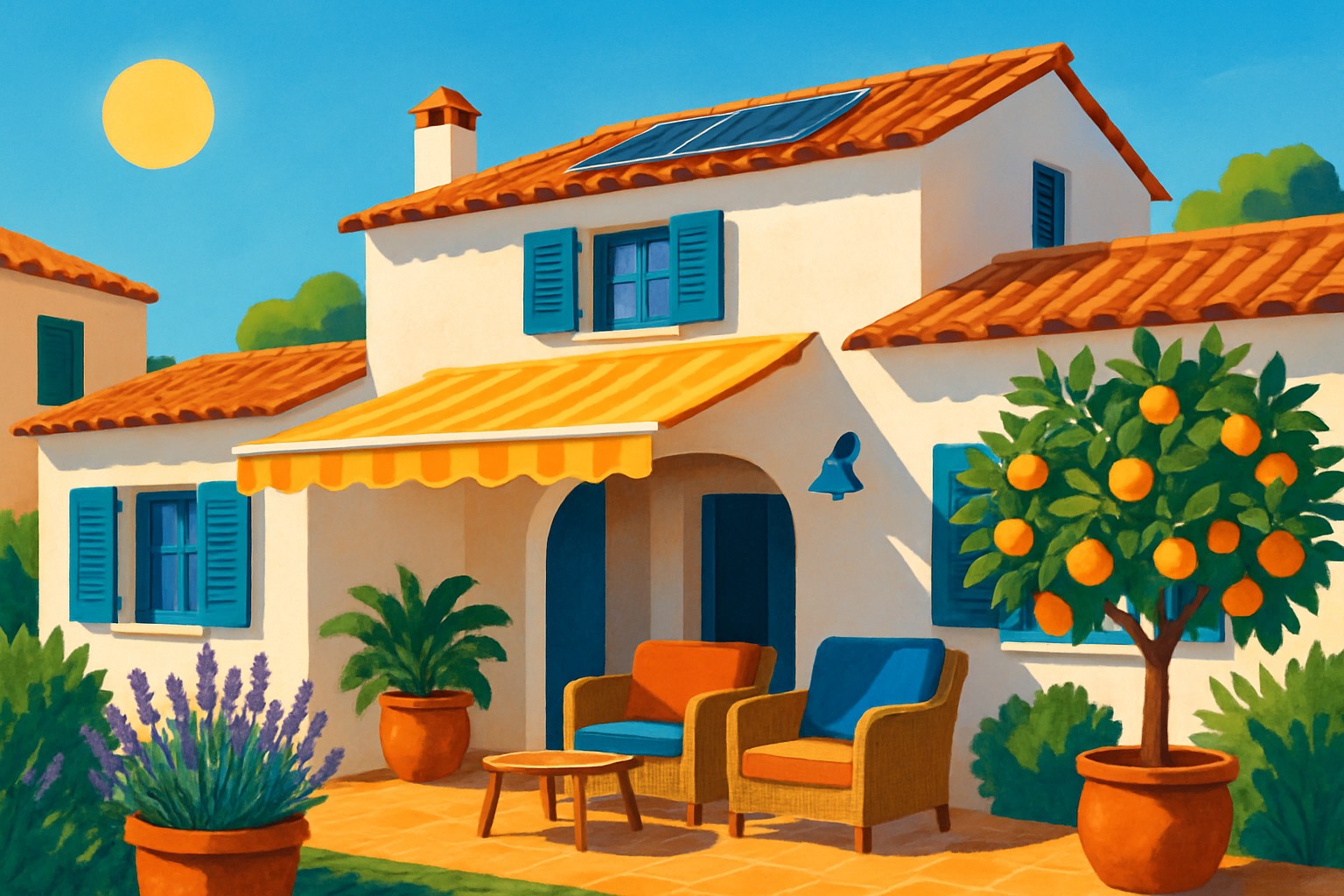
Improving a home in Spain is not simply a matter of making it look more attractive. The most valuable upgrades often improve comfort, reduce maintenance and help the property work better with the Mediterranean climate. Whether you have bought a holiday apartment, are preparing a home for permanent life in Spain or want to improve a property before selling, thoughtful improvements can make a noticeable difference without requiring a complete renovation.
The best approach is to look at how the property responds to heat, sunlight, humidity, water use and outdoor living. A home that stays cooler in summer, feels warmer during mild winter evenings and requires less attention between visits is usually more enjoyable to own. It may also be easier to market if you later decide to sell.
This guide explains practical home improvement ideas for properties across Spain, including apartments, townhouses, villas and traditional homes. It focuses on improvements that combine comfort, appearance and long-term practicality, while recognising that the right priorities will depend on the building, its location, its construction and your intended use.
Start with a practical home improvement assessment
Before choosing tiles, kitchens or decorative finishes, spend time understanding how the property behaves throughout the year. A viewing in spring may not reveal how hot a west-facing bedroom becomes in August, while a short winter visit may not show whether condensation or damp appears during cooler months.
Walk through the home at different times of day if possible. Notice which rooms receive direct sun, where air moves naturally and whether outdoor areas provide shade. Check windows, shutters, doors, roof spaces, terraces and plumbing before deciding which improvements deserve priority.
Questions worth asking before spending money
- Which rooms become uncomfortably hot during the afternoon?
- Does the property receive useful cross-ventilation, or does it rely entirely on air conditioning?
- Are there signs of condensation, mould, salt deposits or water staining?
- Do external shutters, awnings or blinds operate correctly?
- Are windows and doors reasonably well sealed?
- Does the hot-water system meet the household’s needs?
- Are terraces, balconies and roof areas safe, well drained and easy to maintain?
- Could water use be reduced through better fittings, planting or irrigation?
Creating a simple list of problems and opportunities helps prevent money being spent on cosmetic work while more important building issues remain unresolved. If you are buying, this type of inspection can also help you plan realistic post-completion improvements rather than assuming every project will be straightforward.
For broader property ideas, local market context and ownership inspiration, the RB Casas property blog can be a useful place to continue your research.
Improve summer comfort with shade before adding more cooling
Air conditioning can be essential in many Spanish homes, but reducing the amount of heat entering the property is often a more efficient first step. Solar control improvements can make rooms feel more comfortable and may reduce the amount of time cooling systems need to operate.
External shading is particularly effective because it blocks sunlight before it passes through the glass. Options include retractable awnings, exterior blinds, adjustable shutters, pergolas and simple shade sails. The most suitable solution depends on the building’s design, community rules and the amount of space available.
External shading ideas
- Roller shutters: useful for bedrooms and living spaces, especially where security and privacy are also priorities.
- Awnings: practical for balconies, terraces and windows that receive strong direct sunlight.
- Pergolas: suitable for larger outdoor areas and can create an attractive extension of the living space.
- Planting: climbing plants, small trees and carefully positioned pots can provide filtered shade, although they require maintenance and appropriate irrigation.
- Solar-control glazing: may be worth considering where windows are being replaced, particularly on large sun-exposed elevations.
Inside the property, light-coloured curtains, blinds and shutters can support external shading. However, heavy internal curtains alone may not prevent the glass from heating up, so they are usually most effective as part of a wider strategy.
Use ventilation intelligently in Mediterranean homes
Natural ventilation can make a significant difference when outside temperatures are lower than indoors. Many Spanish properties benefit from opening windows early in the morning, later in the evening or overnight, then closing shutters and windows during the hottest part of the day.
Cross-ventilation works best when windows or openings are positioned on different sides of the home. Internal doors can sometimes be adjusted to improve airflow, although security, insects and household routines must also be considered. Fly screens are a relatively simple improvement that can make it easier to ventilate without inviting mosquitoes and other insects inside.
Bathrooms, kitchens and utility areas need particular attention. Extractor fans should vent effectively rather than simply moving damp air around the room. After showers, allowing moisture to escape quickly can help protect paint, sealants, cabinetry and soft furnishings.
Balance ventilation with humidity control
Ventilation is not a universal solution in every season. During humid weather, opening the home for long periods may increase indoor moisture. A dehumidifier, efficient extraction and sensible use of air conditioning may be more appropriate in those conditions.
If you notice persistent musty smells, peeling paint, black spotting or damp patches, investigate the cause rather than covering the symptoms with fresh decoration. The source could be condensation, a plumbing leak, failed waterproofing, poor drainage or water penetration around a window or terrace.
Consider insulation where it will make the greatest difference
Insulation is often associated with cold climates, but it can also help Spanish homes remain more stable during hot weather. The roof is especially important because it may receive strong direct sunlight for many hours. A poorly protected roof can transfer heat into upper rooms and make the entire home harder to cool.
Depending on the property, useful improvements may include roof insulation, insulated roller shutters, better-sealed doors, draught reduction around windows and improvements to internal walls or ceilings. The correct solution depends on the existing construction, available space and whether the property is part of a shared building or community.
Older homes may have attractive traditional features but inconsistent thermal performance. Thick masonry walls can provide useful thermal mass, yet this does not automatically mean that every room will remain comfortable. Combining the strengths of traditional construction with carefully selected modern improvements can produce better results than applying the same renovation plan to every building.
Before major insulation work, obtain appropriate professional advice. Altering roofs, façades, terraces or shared elements may require permissions, technical documentation or approval from a community of owners. This is one reason it is sensible to separate straightforward internal improvements from projects that affect the building envelope.
Choose flooring and finishes for Spanish living
Flooring has a strong effect on how a home feels. Ceramic and porcelain tiles remain popular because they are durable, easy to clean and naturally cool underfoot. They are particularly practical in entrance areas, kitchens, bathrooms and properties used as holiday homes.
Natural stone, terracotta and quality porcelain can create a Mediterranean appearance, but each material has different cleaning and sealing requirements. Very pale finishes may show dust quickly, while highly textured surfaces can be more difficult to maintain on terraces and around swimming pools.
If you prefer softer surfaces in bedrooms or living rooms, consider washable rugs rather than wall-to-wall carpet. Rugs can add warmth during cooler months and be removed for cleaning or storage during summer. In properties that are occasionally unoccupied, easy maintenance is usually more valuable than delicate finishes.
Refresh walls without overcomplicating the design
Light, warm neutrals can help reflect sunlight and create a calm backdrop for Mediterranean furniture, ceramics and textiles. White is not the only option; soft sand, pale stone, muted olive and gentle blue can add character without making rooms feel dark.
Use durable, breathable finishes where appropriate, particularly in older properties or rooms affected by changing humidity. Kitchens and bathrooms need paints and sealants suited to moisture and regular cleaning. Good preparation is often more important than choosing the most expensive paint, especially where previous layers are peeling or the surface has not been properly repaired.
Make outdoor areas easier to use throughout the year
Balconies, terraces, patios and roof spaces are a major part of life in Spain. Yet an outdoor area only adds real value when it is comfortable, safe and easy to maintain. A terrace exposed to full sun may look appealing during a viewing but be rarely used without shade, comfortable seating and practical lighting.
Start with the basics: sound flooring, good drainage, secure balustrades, suitable shading and access to electricity or water where needed. Outdoor storage can help keep cushions, cleaning equipment and gardening tools organised, but it should be designed to cope with heat, dust and occasional heavy rain.
Choose furniture that suits the level of exposure. Powder-coated metal, treated timber, synthetic rattan and high-quality outdoor fabrics all have different maintenance requirements. If the property is not occupied year-round, removable covers and stackable furniture may be more useful than delicate decorative pieces.
Use planting carefully
Mediterranean planting can bring colour and privacy while often requiring less water than a traditional lawn. Rosemary, lavender, selected citrus trees, succulents and other drought-tolerant plants may suit many settings, although local conditions, soil, wind exposure and irrigation must be considered.
Large plants should not be placed where roots could damage waterproofing, paving or drainage. On balconies and roof terraces, check structural limitations before adding heavy planters, large pots or water features. In a shared community, planting may also be subject to rules concerning façades, common areas and visual appearance.
Reduce water use without sacrificing convenience
Water-saving improvements are practical for both permanent residents and owners who leave a property empty for periods of the year. Begin with simple measures such as tap aerators, efficient shower fittings, dual-flush toilets and leak detection.
Inspect external taps, irrigation connections and pool equipment regularly. A small leak may be difficult to notice but can become expensive over time. Automatic irrigation should be adjusted seasonally rather than left on one fixed schedule throughout the year.
For larger projects, consider whether rainwater collection, grey-water solutions or changes to landscaping are suitable and permitted. These systems need proper design, maintenance and consideration of local requirements. They should not be installed casually or treated as maintenance-free.
In kitchens and utility rooms, efficient appliances can also reduce water and energy use. When replacing equipment, consider the property’s ventilation, available space, electrical capacity and whether the appliance will be used frequently or only during visits.
Improve lighting, electrical planning and everyday convenience
Good lighting can transform a Spanish home, particularly where natural light changes strongly throughout the day. Layered lighting is more useful than relying on one bright ceiling fitting. Combine general lighting with task lighting in kitchens and work areas, softer lamps in living rooms and practical illumination around entrances, stairs and terraces.
LED fittings can reduce energy consumption and are available in warm tones that create a more comfortable atmosphere. External lights should be chosen for the local climate and positioned to improve safety without causing glare for neighbours.
Before adding appliances, air-conditioning units, electric vehicle charging or outdoor equipment, check the available electrical capacity. Older properties may need electrical work before modern systems can be installed safely. Any electrical alteration should be assessed and completed by an appropriately qualified professional.
Prioritise improvements if you may sell later
Not every improvement produces the same benefit in the resale market. Buyers generally notice homes that are bright, clean, comfortable and straightforward to maintain. A well-presented terrace, functioning shutters, modern bathrooms and a sensible cooling system may have wider appeal than highly personalised decorative choices.
Keep records of significant works, warranties, appliance information and maintenance. Clear documentation can make future ownership easier and help answer practical questions during a sale. Avoid making improvements that depend entirely on your own taste unless you are comfortable accepting that they may not be fully reflected in the eventual price.
Before starting a substantial project, think about how it will affect access, storage, community relationships and future maintenance. An attractive feature that requires specialist attention or frequent cleaning may be less useful than a simpler, durable alternative.
If you are considering a property purchase, sale or move and want to discuss your plans, you can contact RB Casas for an initial conversation about your property search or next step. Any professional, legal or financial advice should be obtained from the relevant qualified adviser.
A sensible order for home improvements in Spain
- Deal with water ingress, structural concerns and safety issues first. Cosmetic work should wait until the building is sound.
- Improve shading and ventilation. These changes can have an immediate effect on summer comfort.
- Review insulation and window performance. Prioritise the roof, sun-exposed rooms and poorly sealed openings.
- Upgrade bathrooms, kitchens and essential systems. Focus on reliability, maintenance and practical use.
- Make terraces and balconies functional. Add shade, lighting, storage and durable furniture where appropriate.
- Finish with paint, flooring, textiles and decorative details. These are easier to choose once the practical work is complete.
Final thoughts
The most successful home improvements in Spain usually combine climate awareness with everyday practicality. Shade can be as important as air conditioning, ventilation can protect a property as well as improve comfort, and durable outdoor spaces can make a home feel considerably larger.
Whether you are updating a permanent residence, preparing a holiday home or improving a property before resale, begin with a careful assessment and work in a sensible order. Prioritise building condition, moisture control, thermal comfort, water use and safety before choosing purely decorative upgrades.
A thoughtful improvement plan does not need to transform every room at once. Small, well-selected changes can make a Spanish property more comfortable, easier to maintain and better suited to the way you actually live.
For more information about homes and life in Spain, visit the RB Casas home page and continue exploring ideas that can help you make confident property decisions.
To discuss your property requirements: Contact us.